
Impact Fees for Property Development in Texas: Know Your Rights
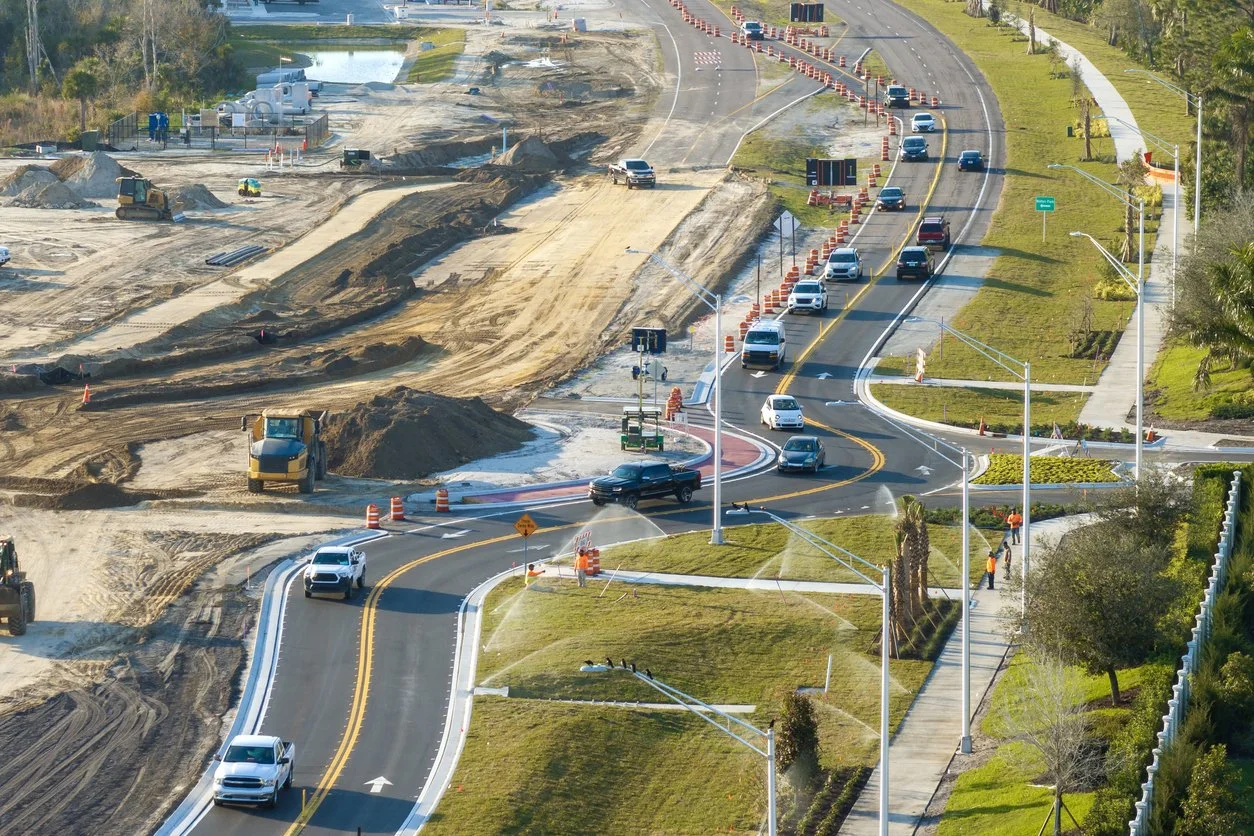
Texas real estate developers face mounting impact fees—charges imposed by municipalities to offset the strain new development places on infrastructure.
But here’s what many don’t realize: these fees aren’t unlimited.
Two landmark U.S. Supreme Court cases establish critical constitutional guardrails that protect you—and a 2024 ruling strengthened those protections.
The Nollan Test: Essential Nexus
In Nollan v. California Coastal Commission (1987), the Court ruled that any government exaction must have an “essential nexus” to a legitimate state interest. Translation? The city can’t just demand money because you’re building. There must be a clear, logical connection between your development’s impact and what they’re charging you for.
If a city claims your 50-unit apartment building requires a park fee, they need to demonstrate how your project specifically creates the need for park improvements. No nexus? No valid fee.
The Dolan Test: Rough Proportionality
Dolan v. City of Tigard (1994) added a second requirement: “rough proportionality”. Even if the nexus exists, the fee’s amount must be proportional to your development’s actual impact.
A city can’t charge you $500,000 for road improvements when your traffic study shows your project adds minimal congestion. The burden falls on the government to prove the math works—not on you to accept whatever number they throw out.
A Game-Changer: Sheetz v. El Dorado County (2024)
For years, municipalities argued that Nollan and Dolan only applied to case-by-case permit conditions—not to legislatively-adopted impact fee schedules applied broadly across all developments. That loophole closed in 2024.
That’s when the Supreme Court unanimously ruled in Sheetz v. El Dorado County that constitutional scrutiny applies equally to legislative impact fees. It doesn’t matter whether a city imposes a fee through individualized negotiations or through a one-size-fits-all ordinance. Both must satisfy the essential nexus and rough proportionality tests.
This is massive. Cities can no longer hide behind legislative formulas to escape constitutional review. Every impact fee—whether targeting your specific parcel or applying citywide—must demonstrate both a logical connection to actual impacts and proportional cost allocation.
Application to Impact Fees
Together, these tests create a two-step framework:
Essential Nexus: Does a logical relationship exist between the fee and your project’s impact?
Rough Proportionality: Is the fee amount reasonably related to the scope of impact?
Many Texas municipalities impose standardized impact fee schedules without project-specific analysis. Post-Sheetz, that approach faces serious constitutional vulnerability. Demand documentation. Challenge assumptions. Cities must now justify both the connection and the math—for every fee, every time.
What Texas Courts and Lawmakers Say
Texas appellate courts have weighed in on the validity of impact fees, reinforcing both statutory and constitutional limits. The Texas Local Government Code authorizes impact fees but imposes strict requirements: fees must be based on actual capital improvement plans, supported by engineering studies, and used only for growth-related infrastructure.
Texas courts have emphasized that impact fees cannot be disguised taxes and must meet the rational nexus test—Texas’s version of the federal constitutional standard. In disputes, courts scrutinize whether municipalities have conducted proper land use assumptions and capital improvements analyses. Cities that skip these steps or rely on outdated data expose themselves to successful challenges.
Recognizing these vulnerabilities, the Texas Legislature significantly strengthened Chapter 395’s protections in 2025. New requirements include third-party financial audits, extended public review periods, two-thirds majority votes for adoption, and enhanced advisory committee representation from the development industry. These changes signal legislative concern that municipalities haven’t always followed proper procedures.
Developers should note: Texas law also requires credit for other contributions and mandates that fees be spent within specific timeframes. These statutory protections complement your constitutional rights under Nollan, Dolan, and now Sheetz.
The Bottom Line
Impact fees may be inevitable, but arbitrary fees aren’t constitutional—or even legal under Texas statute. Armed with Nollan, Dolan, Sheetz, and Texas-specific protections, developers can push back against excessive or unjustified exactions. The 2024 Sheetz decision eliminated municipalities’ favorite escape hatch, subjecting all impact fees—not just individualized conditions—to rigorous constitutional scrutiny.
Don’t allow a municipality to significantly increase the cost to develop your property by surprising you post-close with a significant unwarranted impact fee. Challenge the studies. Demand the nexus. Question the proportionality. The law is on your side.
Know your rights. Protect your bottom line.
